Utility Trailer Costs Explained: Find the Right Trailer for Your Needs
This guide explains utility trailer pricing, covering key factors like materials, size, load capacity, and brand. It compares trailer types—flatbed, enclosed, and dump—explains optional features’ cost impact, and provides practical tips for choosing a trailer that balances budget, functionality, and safety.
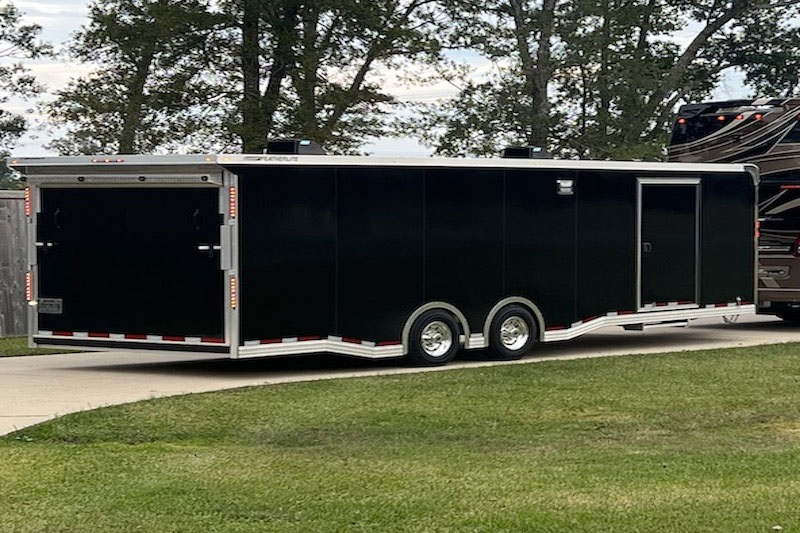
Key Factors That Affect Utility Trailer Prices
Utility trailer pricing is influenced by several interconnected factors. One of the most important is manufacturing cost, which includes raw materials, labor, and energy used during production. Changes in material prices or transportation costs can lead to noticeable price fluctuations over time.
Brand reputation also plays a role. Well-known manufacturers often price their trailers higher due to established quality standards, warranties, and dealer support. In addition, supply and demand can affect pricing, especially during peak seasons when trailers are in higher demand.
Comparing prices across multiple dealers and models is recommended. Understanding these cost drivers helps buyers recognize fair pricing and avoid overpaying.
Material Choices and Their Cost Impact
The material used to build a utility trailer has a direct impact on both price and long-term performance.
- Steel trailers are generally more affordable and widely available. They are strong and suitable for heavy loads but require proper maintenance to prevent rust.
- Aluminum trailers are lighter and resistant to corrosion, making them easier to tow and maintain over time. These benefits usually come with a higher upfront cost.
- Composite or mixed-material trailers aim to balance strength and weight but may increase overall pricing depending on design and construction quality.
The best material choice depends on how frequently the trailer will be used, the environment it will operate in, and long-term maintenance expectations.
Size, Load Capacity, and Typical Price Ranges
Trailer size and load capacity are among the most visible factors affecting price. Larger trailers require more materials and stronger axles, which increases cost.
- Small utility trailers for light-duty hauling often fall in the lower price range and are suitable for yard work or small equipment.
- Mid-size trailers designed for moderate loads typically cost more but offer greater flexibility for everyday hauling needs.
- Large or heavy-duty trailers intended for construction or frequent transport can cost significantly more, especially when built with reinforced frames and higher load ratings.
Choosing the correct size is essential. Buying a trailer that exceeds your needs may result in unnecessary expense, while selecting one that is too small can reduce efficiency and create safety concerns.
Comparing Different Utility Trailer Types
Utility trailers come in several styles, each designed for specific applications and budgets.
- Flatbed trailers are among the most affordable and versatile options, suitable for hauling a wide range of materials.
- Enclosed trailers provide protection from weather and added security, which generally makes them more expensive than open designs.
- Dump trailers include hydraulic systems for unloading materials and typically sit at the higher end of the price range due to their specialized functionality.
Matching the trailer type to your primary hauling tasks helps ensure cost-effectiveness and usability.
Features, Options, and Customization Costs
Optional features and upgrades can significantly increase the final price of a utility trailer.
Common add-ons include:
- Loading ramps for easier equipment access
- Braking systems for improved safety when towing heavier loads
- Upgraded tires or suspension for durability and smoother handling
While these features raise upfront costs, they may provide long-term value by improving safety, convenience, and performance. Buyers should evaluate which options are necessary for their typical use rather than choosing upgrades based solely on availability.
Tips for Getting the Best Value
Finding the right utility trailer is not only about price but overall value.
- Watch for seasonal sales or inventory clearances, which can offer meaningful savings.
- Consider used or certified pre-owned trailers, which may cost less while still meeting quality standards.
- Negotiate with dealers, including asking about bundled features, warranty coverage, or delivery options.
- Balance cost with support, ensuring access to parts, service, and after-sales assistance.
A well-informed approach helps buyers secure a trailer that performs reliably without unnecessary spending.
Final Thoughts
Utility trailer prices vary widely based on materials, size, features, and design. By understanding what drives these costs and carefully assessing hauling needs, buyers can make confident decisions. Comparing options, prioritizing essential features, and focusing on long-term value ensures that the selected trailer delivers both performance and practicality over time.