Utility Trailer Prices: Cost Insights and Buyer’s Guide
Utility trailers are versatile tools for hauling equipment, materials, and recreational gear. Whether used for personal projects or light commercial work, understanding how utility trailer prices are determined can help buyers choose a model that fits both their needs and budget. This guide breaks down the main cost factors, compares trailer types, and offers practical tips for getting the best value.
Key Factors Affecting Utility Trailer Prices
Several primary factors influence utility trailer pricing, starting with manufacturing costs, which include raw materials, labor, and energy. Brand reputation also plays a significant role; established brands often command higher prices due to perceived quality and reliability. Supply chain dynamics, including transportation costs and material availability, further affect pricing. Buyers should be aware that these elements can cause price fluctuations, and comparing prices from multiple dealers is essential to ensure they are getting a competitive offer. Understanding these factors helps in making an informed purchasing decision.
Material Differences and Their Cost Impact
The materials used in constructing a utility trailer significantly impact its cost and durability. Steel trailers are generally more affordable but can be susceptible to rust if not properly maintained. Aluminum trailers are lightweight and corrosion-resistant, making them ideal for long-term use, but they typically come at a higher price point. Composite materials offer a balance of strength and weight but may also increase the overall cost. Each material has its pros and cons, and the best choice depends on the intended use and environmental conditions the trailer will face. Consider these factors to optimize your investment.
Size Considerations and Price Ranges
Trailer size and load capacity directly influence pricing. Small utility trailers, often used for light-duty tasks, may range from \(800 to \)1,500. Medium-sized trailers, suitable for more substantial loads, typically cost between \(1,500 and \)3,000. Large trailers designed for heavy-duty hauling can range from $3,000 upwards, depending on the specific capacity and features. It’s crucial to assess your hauling needs accurately to guide your purchasing decision, ensuring that the trailer’s size and capacity align with the typical loads you intend to carry. Overestimating can lead to unnecessary expense, while underestimating can compromise safety and efficiency.
Comparing Trailer Options
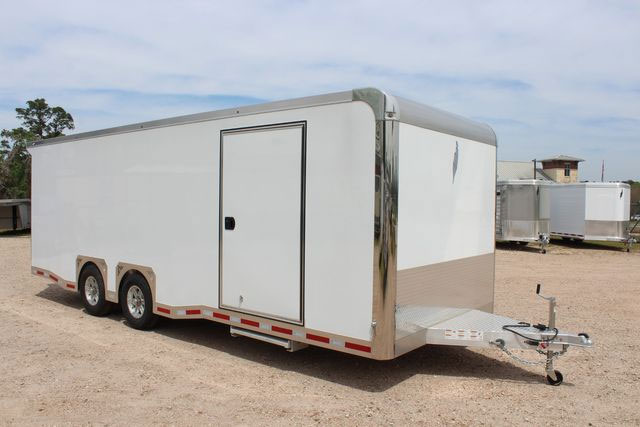
Different types of utility trailers cater to various hauling needs, each with distinct price points. Flatbed trailers are versatile and generally more affordable, suitable for hauling a variety of materials. Enclosed trailers offer protection from the elements and added security, but they typically cost more. Dump trailers, designed for easily unloading materials like gravel or soil, are among the more expensive options due to their specialized hydraulic systems. When selecting a trailer, consider the specific tasks you’ll be performing and your budget to determine which type offers the best balance of functionality and cost-effectiveness.
Features and Customization Costs
Additional features and customization options can significantly affect the final cost of a utility trailer. Ramps facilitate easy loading and unloading of equipment, while brakes enhance safety, especially when hauling heavy loads. Upgraded tires can improve durability and handling, particularly for frequent use. These features add to the initial investment but can provide long-term value through increased convenience, safety, and performance. Evaluate your specific needs to determine which upgrades are worth the additional expense, ensuring that the trailer meets your requirements without overspending on unnecessary extras.
Tips for Getting the Best Value
To find the best deals on utility trailers, consider several strategies. Look out for seasonal promotions and end-of-year clearances, when dealers often offer discounts to clear inventory. Certified pre-owned trailers can provide a cost-effective alternative to buying new, with the assurance of a thorough inspection. Negotiating with dealers is also crucial; don’t hesitate to ask for a better price or additional features at no extra cost. Balance price with quality and after-sales support, ensuring that the trailer is reliable and the dealer provides adequate assistance and warranty coverage. This approach helps maximize value and ensures a satisfying purchase experience.