What to Know Before Starting a Basement Remodel?
A basement remodel project often begins with a simple idea: transforming an underused space into something functional and comfortable. Many homeowners search for ways to improve storage, add living areas, create entertainment zones, or increase property value through a well-planned renovation. Understanding the process, potential costs, materials, and design considerations helps homeowners make confident decisions before beginning any construction. This guide explains the essential steps of a basement remodel, including planning, moisture control, layout options, and budget considerations. It helps homeowners understand how to evaluate existing conditions, choose suitable materials, and create a comfortable and functional space. The content focuses on practical advice, clear explanations, and common questions, allowing readers to approach their basement remodel with confidence. It aims to help users avoid common issues, plan efficiently, and make informed decisions without promoting sp
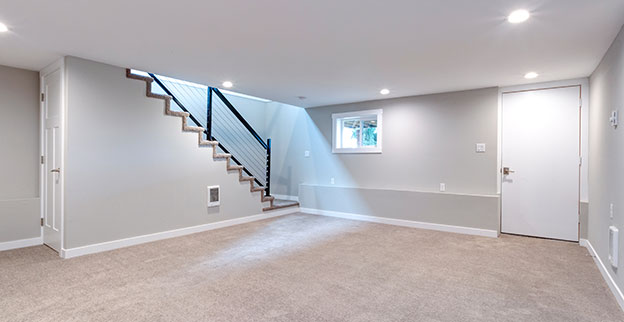
Understanding the Purpose of a Basement Remodel
Before starting any work, it helps to identify why the remodel is necessary. Some homeowners want extra room for daily living, while others look for a quiet workspace, hobby area, or a place for guests. As every basement has different structural conditions, moisture history, and layout restrictions, defining the goals allows each design choice to align with practical needs. When a basement remodel project has clear direction, decisions about lighting, insulation, flooring, and layout become easier to manage.
Evaluating the Current Basement Condition
A thoughtful evaluation helps determine which improvements are essential and which are optional. Many basements require moisture inspection, ventilation assessment, and a review of the electrical panel capacity. This early analysis reveals whether upgrades or repairs are needed before aesthetic changes. A basement remodel may involve solving long-standing issues such as drafts, uneven floors, or outdated wiring. By addressing structural concerns early, homeowners create a safer foundation for new walls, flooring, and fixtures.
Designing a Functional Basement Layout
Space planning is often one of the most important phases of a basement remodel. Homeowners usually explore different layout ideas based on available square footage, natural light, and ceiling height. Some choose open layouts to maximize space, while others prefer to divide the basement into multiple rooms with specific purposes. A flexible layout plan supports changes in lifestyle over time, such as creating a study area that can later become a family room or storage space.
Lighting and Ceiling Planning
Basements often lack natural light, so lighting design plays a significant role during a basement remodel. Recessed lighting is commonly chosen because it fits well into lower ceilings, while wall sconces or floor lamps can create a softer atmosphere. When planning lighting systems, it helps to consider outlet placement, switch locations, and how the lighting interacts with furniture. A thoughtful ceiling plan may also include soundproofing materials, especially if the basement is intended for relaxation or entertainment.
Flooring Choices for Comfort and Durability
Flooring decisions depend on the basement’s moisture history, insulation level, and intended use. During a basement remodel, many homeowners compare vinyl planks, tiles, engineered wood, and carpet tiles. Each has its own benefits, such as durability, warmth, or easy maintenance. Some installations may require additional subflooring to manage temperature and humidity. Selecting materials that match both function and style ensures long-term comfort.
Controlling Moisture and Insulation
Moisture control is one of the primary topics homeowners research before starting a basement remodel. Managing humidity helps maintain air quality and protects new finishes. Ventilation improvements, dehumidifiers, and vapor barriers are often considered depending on the basement’s previous condition. Insulation also influences energy efficiency and seasonal comfort. Proper insulation around walls and ceilings helps regulate temperature, making the remodeled basement feel more connected to the rest of the home.
Waterproofing Options
Waterproofing solutions vary based on the severity of moisture concerns. Some homes require sealants for minor dampness, while others may need drainage systems or exterior grading improvements. A basement remodel often incorporates waterproof flooring materials as a safeguard. Understanding the range of options gives homeowners the ability to choose a method that fits both budget and long-term maintenance preferences.
Estimating Costs and Budget Planning
Budget planning can influence nearly every aspect of the basement remodel. Costs vary depending on size, materials, labor, and whether specialized upgrades are included. Homeowners often start by estimating a broad price range. For basic improvements such as painting, flooring, and lighting, the cost may stay in the lower range. More extensive projects that involve bathrooms, kitchenettes, or structural updates usually fall into a higher range. Using “約” values or flexible ranges helps homeowners plan realistically while adapting to changes during construction.
Ways to Manage Expenses
There are several ways to manage costs during a basement remodel. Comparing material types, simplifying design choices, and prioritizing essential improvements are common strategies. Homeowners may choose to complete certain tasks themselves if they feel comfortable and knowledgeable, such as painting or installing shelving. Flexible planning allows a basement remodel to stay within budget without reducing overall quality.
Safety, Permits, and Local Regulations
Many areas require permits for major basement remodel projects, especially when electrical, plumbing, or structural work is involved. Understanding local regulations ensures the remodel follows safety standards and avoids delays. Inspections may occur before walls are closed or utilities are connected. A well-organized permit process supports transparency and helps homeowners stay informed about safety requirements.
Electrical and Plumbing Considerations
If the remodel includes additional outlets, a bathroom, or a kitchenette, planning electrical and plumbing systems is essential. These systems affect wall placement, ceiling access, and future maintenance. A thoughtful approach during the planning stage reduces the likelihood of costly adjustments later. When homeowners incorporate utilities strategically, the basement remodel functions more efficiently in daily use.
Adding Comfort and Style to the Finished Space
Once structural and functional elements are installed, homeowners focus on comfort and design. Wall color, furniture layout, textiles, and decorative pieces all contribute to an inviting atmosphere. Whether the basement remodel results in a cozy living room, exercise area, or entertainment space, combining practicality with personal taste helps create a balanced environment. Small accents such as sound-absorbing rugs or layered lighting can significantly improve comfort.
Storage and Organization Ideas
Basements often provide valuable storage. During a basement remodel, integrating built-in shelves, closets, or multipurpose furniture helps keep the space organized. Homeowners frequently combine open shelving for everyday items with concealed storage for less frequently used belongings. Smart storage planning ensures the finished basement remains uncluttered and easy to maintain.
Common Questions from Homeowners
Can any basement be remodeled?
Most basements can be remodeled, but the level of work varies widely. Older spaces may require more preparation, such as moisture control or structural assessments. A careful evaluation helps determine what improvements are practical.
How long does a basement remodel usually take?
Timing depends on project size and complexity. Basic remodeling with minor changes may take a shorter period, while projects that involve plumbing, wiring, or layout modifications may take longer.
Will a remodeled basement increase property value?
Many homeowners experience improved usability and potential value increases after a remodel. The extent of the impact depends on the quality of the work, local market conditions, and how well the space meets practical living needs.
Final Thoughts
A basement remodel offers a meaningful opportunity to enhance living space and create a more versatile home environment. With a clear understanding of goals, budget, moisture control, layout planning, and design choices, homeowners can navigate the remodeling process with confidence. Proper planning supports both comfort and long-term function, allowing the remodeled basement to adapt to changing lifestyles over time.