Transmission Repair Explained: Costs, Symptoms & How to Select a Shop Nearby
The transmission plays an essential role in power delivery, and any issues with it can affect driving safety and overall performance. This guide explains the essentials of transmission repair, common symptoms, diagnostic steps, and the typical transmission repair cost range drivers may encounter. It also covers how to evaluate a transmission shop near me, including what questions to ask, how to understand written estimates, and how to compare different repair options. The content helps drivers recognize early signs such as delayed shifting, leaks, or warning lights, and understand how technicians inspect fluid condition, electronic codes, and road-test behavior. The article focuses on providing practical knowledge so readers can communicate confidently with repair shops and make informed decisions based on their vehicle’s condition.
Why Transmission Problems Occur
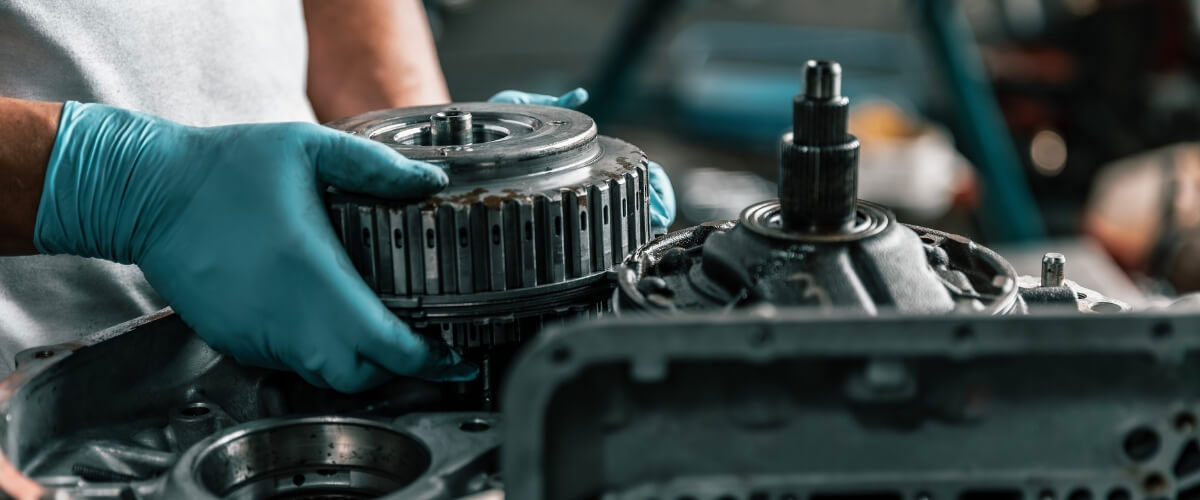
Transmission systems rely on mechanical components, hydraulic pressure, and electronic controls. Small changes in any of these areas can result in performance issues. Heat, age, fluid degradation, and wear on internal parts are among the common factors. Drivers who notice unusual behavior often want to understand whether the issue may require adjustment, fluid service, or a larger repair. Learning the possible causes helps vehicle owners communicate effectively with technicians during inspection.
Common Symptoms That May Suggest Transmission Repair
Recognizing early signs can help drivers address concerns promptly. Although a symptom does not automatically confirm a major problem, understanding common indicators can assist in deciding when to seek inspection.
Unusual Sounds or Grinding
A transmission experiencing wear may produce humming or grinding. These sounds may appear during acceleration, deceleration, or gear changes. While such noises can result from several causes, they often motivate drivers to explore nearby service options.
Delayed or Rough Shifting
If gear changes feel slow, abrupt, or inconsistent, the issue may relate to fluid condition, control modules, or internal components. Drivers searching for transmission repair often report this sensation.
Fluid Leaks
Transmission fluid helps with lubrication and hydraulic pressure. A small leak may result in reduced performance. The color and smell of the fluid can provide clues. If drivers notice reddish or brown fluid on the ground, inspection is usually recommended.
Warning Lights
Modern vehicles rely on sensors. When the transmission’s behavior falls outside normal range, the dashboard may display alerts. These alerts do not confirm specific repairs but offer a starting point for diagnosis.
How Technicians Diagnose Transmission Issues
Accurate diagnosis is essential before determining repair steps. Drivers searching for a transmission shop near me often want to understand what the diagnostic process includes.
Electronic Scanning and Codes
Technicians use diagnostic tools to identify codes from the transmission control system. These codes indicate areas requiring attention but do not always pinpoint a single cause.
Fluid Condition Analysis
Fluid inspection can show whether the system is overheating or whether internal components show wear. Dark or burnt-smelling fluid may suggest internal stress.
Road Testing
A road test allows technicians to observe how the transmission functions under typical driving conditions. Shift timing, response, and vibration patterns offer useful insights.
Mechanical Inspection
When necessary, technicians may examine components such as the valve body, solenoids, or external sensors. For internal issues, deeper disassembly may be required.
Understanding Transmission Repair Cost
Drivers often search for transmission repair cost to get a general idea before visiting a shop. Costs vary depending on vehicle type, transmission design, labor requirements, and parts availability. The following ranges are common estimates, provided only for reference.
Fluid Service or Minor Adjustment
Many vehicles require fresh fluid or small external adjustments. Estimated range: about USD 120–350
Replacing External Components
Parts such as sensors, solenoids, or mounts may be replaced individually. Estimated range: about USD 200–600, depending on the component
Transmission Rebuild
A rebuild involves disassembly, replacement of worn components, and reassembly. Estimated range: approx USD 1,200–3,500, depending on design complexity
Transmission Replacement
Some situations may require full replacement if core components show major wear. Estimated range: about USD 2,800–6,000 or more for certain models
These ranges help drivers plan but do not reflect exact quotes. Each vehicle requires an individual assessment.
How to Select a Transmission Shop Near Me
Choosing a service provider involves evaluating expertise, communication, and transparency. Drivers often look for clear explanations rather than pressure-based suggestions.
Check Diagnostic Approach
A reliable shop generally explains how they diagnose issues and what steps are included. A structured process helps ensure accuracy.
Ask About Repair Options
Some issues may have multiple solutions. Asking for explanations about each option helps drivers make informed choices.
Request Written Estimates
Shops often provide estimates listing labor, parts, and potential additional costs. A written estimate can prevent confusion later.
Evaluate Communication Style
Drivers may feel more confident when technicians take time to explain findings and answer questions without rushing through the details.
Maintenance Tips to Reduce Transmission Issues
Proper care may help reduce stress on transmission components over time. While maintenance cannot prevent all problems, it supports overall reliability.
Monitor Fluid Condition
Checking fluid regularly helps detect early changes. Many technicians recommend fluid inspection during routine service intervals.
Address Leaks Promptly
Even small leaks may affect hydraulic pressure. Early repair helps maintain performance.
Avoid Excess Heat
Heat is a major cause of transmission wear. Avoiding heavy towing or aggressive acceleration in hot conditions can help reduce stress.
Follow Driving Habits That Support Smooth Operation
Smooth acceleration and deceleration may reduce load on the system. Drivers who operate their vehicles gently often experience steadier transmission behavior over time.
When to Consider Professional Inspection
If drivers notice persistent symptoms such as delayed shifting, warning lights, or fluid changes, scheduling a diagnostic appointment may be helpful. A shop can provide insight into whether the concern requires a simple adjustment or larger repair. Searching for a transmission shop near me is often the first step for many vehicle owners who want clarity about their situation.
Conclusion
Transmission issues can feel uncertain, but understanding the system, common symptoms, repair processes, and transmission repair cost estimates helps drivers approach the situation confidently. Evaluating nearby shops based on communication and diagnostic quality allows vehicle owners to make informed decisions. Whether the issue involves minor service or deeper repair, information and clarity remain essential tools for every driver.