How to Remodel Your Bathtub: Achieve a Successful Transformation Step-by-Step
Remodeling your bathtub is an exciting but challenging project that can significantly enhance the comfort and aesthetic of your bathroom. Whether you’re looking to modernize your space, improve functionality, or increase home value, a bathtub remodel can provide a transformative experience. This comprehensive bathtub remodel guide helps homeowners transform their bathroom with detailed steps, from assessing current conditions to choosing the right materials and hiring professionals. It outlines the importance of understanding the reason behind the remodel, setting a budget, and selecting a bathtub that fits both your style and needs. The guide also covers practical advice for DIY enthusiasts and those considering professional help, as well as tips on finishes, maintenance, and maximizing functionality. Whether upgrading for aesthetic reasons or enhancing comfort, this guide provides all the information you need for a successful bathtub remodel.
Understanding the Need for a Bathtub Remodel
The first step in any remodel project is understanding why you're undertaking the change. For bathtubs, there are several common reasons:
- Wear and Tear: Over time, bathtubs can become scratched, chipped, or discolored. If yours is starting to show signs of damage, a remodel may be necessary.
- Style Update: If your bathroom feels outdated, a bathtub remodel can breathe new life into the space, giving it a modern, fresh feel.
- Functionality: Some people remodel their bathtubs to accommodate new preferences, like opting for a deeper tub or adding features such as jets or whirlpools.
- Energy Efficiency: Modern bathtubs and fixtures are designed to be more water- and energy-efficient, which can lead to long-term savings.
Understanding your reason for remodeling will help guide the decisions you make throughout the process.
Step 1: Assessing Your Current Bathtub
Before jumping into any changes, assess the current state of your bathtub. Here are some important factors to consider:
- Condition of the Tub: Is it still in good shape, or are you dealing with cracks, stains, or rust that might need repairing or replacing?
- Size and Shape: Do you want to keep the current dimensions, or are you considering expanding or changing the layout of your bathtub area?
- Plumbing Needs: Check whether the existing plumbing can support the new bathtub you envision. Some renovations might require reconfiguring plumbing to fit the new setup.
Once you understand your current setup, you’ll be in a better position to make informed decisions about the remodel.
Step 2: Setting a Budget for Your Bathtub Remodel
A bathtub remodel can vary significantly in price depending on several factors such as the materials used, the complexity of the installation, and labor costs. Here are some average ranges:
- Basic Remodel: This includes refinishing your existing bathtub or replacing it with a similar model. Costs usually range from $300 to $1,500.
- Mid-Range Remodel: A mid-range remodel might include upgrading to a larger or more stylish tub, with costs ranging from $1,500 to $3,500.
- High-End Remodel: High-end options can include custom-designed bathtubs or incorporating features like jet systems, lighting, or a spa experience. Expect to pay anywhere from $3,500 to $8,000 or more.
Remember, these prices are approximate and will depend on local labor rates and the specific materials you choose.
Step 3: Choosing the Right Bathtub for Your Needs
Once you’ve set a budget, it’s time to choose the perfect bathtub. There are various types of bathtubs available, each with its unique features:
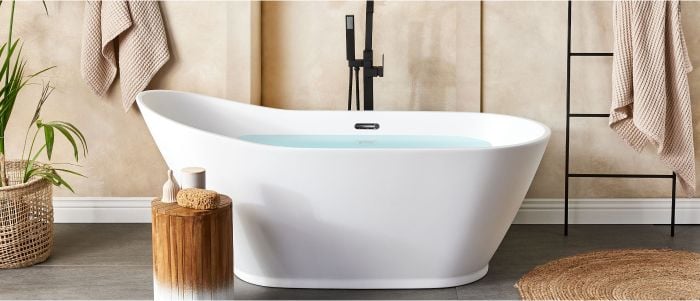
- Freestanding Bathtubs: Known for their aesthetic appeal, freestanding tubs are a great choice if you want a more luxurious and modern look.
- Alcove Bathtubs: These are the most common and affordable option, designed to fit into three sides with walls or tiles. They are great for smaller bathrooms.
- Drop-in Bathtubs: These bathtubs are built into a custom deck or surround, offering a clean, finished look.
- Whirlpool and Jet Bathtubs: These provide a spa-like experience with built-in jets for relaxation, but they come with a higher price tag.
- Soaking Tubs: These are designed for deep immersion, ideal if you love long, relaxing baths.
Choosing the right type depends on your space, preferences, and budget.
Step 4: Hiring a Professional or DIY
Deciding whether to hire a professional or attempt a DIY remodel depends on the complexity of the project. Here’s a breakdown:
- DIY: If you have some experience with home improvement and the changes you want to make are simple (like replacing a basic tub or refinishing), you may be able to tackle the project yourself.
- Professional Help: If you’re planning a more extensive remodel (such as moving plumbing, installing high-end bathtubs, or making structural changes), it’s highly recommended to hire a professional contractor. They can ensure the job is done safely and efficiently, saving you time and potential costly mistakes.
Be sure to get multiple quotes and verify the contractor’s credentials to ensure they are licensed, insured, and experienced with bathroom remodeling.
Step 5: Materials and Design Choices
Choosing the right materials for your bathtub remodel is crucial to achieving both durability and style. Here are some options:
- Bathtub Materials: Options include acrylic, fiberglass, cast iron, and stone. Each has its own benefits: Acrylic and Fiberglass: Lightweight and affordable, these materials are popular for many remodels. Cast Iron: Known for its durability, cast iron is a high-end option that retains heat well. Stone or Marble: These are premium options that add a luxurious feel to your bathroom but come with a higher price tag.
- Finish and Surrounding Materials: Don’t forget to consider the materials for the bathtub surround, such as tiles, stone, or waterproof paint. High-quality tile surrounds offer beauty and durability but may cost more upfront.
Step 6: Understanding the Timeline
The timeline for a bathtub remodel can vary depending on the complexity of the project. For a straightforward bathtub replacement, you may only need a couple of days. However, more complicated projects (such as changing the plumbing or installing a high-end tub) could take a week or longer. Be sure to discuss the estimated timeline with your contractor.
Step 7: Final Touches and Maintenance
Once your new bathtub is installed, it’s time to add the finishing touches:
- Showerhead and Faucet: Upgrading your faucet and showerhead can enhance the functionality and style of your new bathtub.
- Storage Solutions: Consider adding shelves, cabinets, or hooks for towels and other bathroom essentials.
- Lighting: Proper lighting can create a relaxing ambiance. Consider adding overhead lighting or ambient lights to set the mood.
Proper maintenance is essential to keeping your bathtub looking great for years to come. Clean it regularly, avoid harsh chemicals, and inspect for leaks or damages periodically.
Conclusion
A bathtub remodel is a great way to improve your bathroom's functionality, appearance, and value. By understanding the purpose of the remodel, assessing your current bathtub, setting a realistic budget, choosing the right materials, and deciding on DIY or professional help, you can ensure the process goes smoothly. With careful planning and attention to detail, your new bathtub will provide comfort and style for years to come.