Basement Leak Repair: Understanding Causes, Solutions, and Key Considerations
A basement leak is more than just a nuisance—it can cause significant damage to your home’s structure and lead to costly repairs if not addressed promptly. Whether you’ve noticed water stains on the walls or hear the sounds of dripping during heavy rains, understanding the causes of basement leaks and the best solutions is essential for every homeowner. In this article, we’ll explore common causes of basement leaks, effective repair methods, and important factors to consider before starting the repair process.
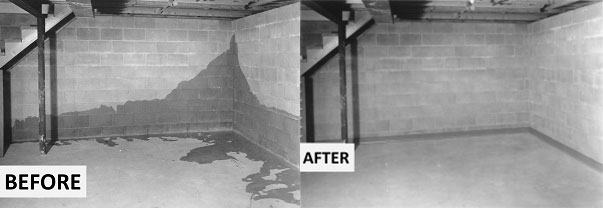
Common Causes of Basement Leaks Basement leaks are typically the result of water infiltration due to various factors. Understanding these causes can help you prevent future leaks.
- Poor Drainage: One of the most common causes of basement leaks is inadequate drainage around the foundation. When gutters are clogged or downspouts direct water toward the foundation, water can seep into the basement.
- Cracks in Foundation: Over time, the foundation of a house can develop small cracks due to settling or environmental stress. These cracks provide a direct path for water to enter the basement.
- High Water Table: If the water table around your property is high, especially during rainy seasons, the pressure from the surrounding soil can force water into your basement, particularly if the foundation isn’t properly sealed.
- Leaking Pipes: Plumbing leaks within the basement are another common source of water damage. These leaks can often go unnoticed until significant damage occurs.
- Improper Sealing of Windows and Doors: Basement windows and doors are often overlooked when it comes to sealing. Gaps around these areas can allow water to enter during storms.
Effective Basement Leak Repair Methods When it comes to repairing basement leaks, a one-size-fits-all solution doesn’t exist. The repair method depends on the cause and severity of the leak. Below are some of the most common basement leak repair methods:
- Exterior Waterproofing: This involves applying a waterproof sealant or membrane to the outside of the foundation walls. This method is particularly effective if your basement leaks due to cracks in the foundation or high water pressure around the property.
- Interior Sealants: For minor leaks or to prevent further moisture intrusion, applying sealants to the inside walls of the basement can help. These products fill cracks and create a waterproof barrier. This is a temporary solution and may not be effective for significant water problems.
- French Drains: Installing a French drain is a popular and effective method to manage water around the foundation. This involves digging a trench around the perimeter of the basement, installing a perforated pipe, and filling the trench with gravel to allow water to flow away from the foundation.
- Sump Pump Installation: For basements prone to flooding, a sump pump is a critical addition. The pump collects water and pushes it out of the basement, preventing accumulation and damage.
- Crack Injection: For cracks in the foundation, professional crack injection is an effective repair method. This involves injecting a specialized epoxy or polyurethane resin into the crack to seal it and prevent water from entering.
Key Considerations Before Starting Basement Leak Repairs Before you start repairing a basement leak, there are several factors to keep in mind to ensure the process is done correctly and safely.
- Assess the Extent of the Damage: If the leak is minor, DIY repairs might be sufficient. However, if the water intrusion is extensive, it may require professional intervention to ensure a permanent fix.
- Identify the Source of the Leak: It's crucial to determine the exact source of the leak. Otherwise, you may end up spending money on repairs that don’t address the root cause, leading to recurring problems.
- Cost Considerations: Basement leak repair costs vary depending on the repair method. Simple solutions like sealants or crack injections may cost less, while more involved methods like French drains or sump pump installations can be more expensive. It’s important to budget for both the repair and any potential follow-up maintenance.
- DIY vs. Professional Help: While some basement leak repairs can be tackled by homeowners with basic skills, significant leaks or issues related to the foundation often require the expertise of a professional contractor. Consider your skill level, the severity of the leak, and your budget before deciding whether to attempt DIY repairs or hire a professional.
- Long-Term Prevention: Repairing the leak is one thing, but preventing future water problems is equally important. Regular maintenance, including cleaning gutters, checking for cracks, and ensuring proper drainage, can help protect your basement from future leaks.
Conclusion Dealing with a basement leak can be overwhelming, but understanding the causes and repair methods can help you take the right steps to address the issue effectively. Whether you choose to handle the repair yourself or hire a professional, it’s crucial to tackle the problem quickly to avoid long-term damage to your home. Remember that prevention is key—regular maintenance and monitoring can help ensure your basement stays dry and protected for years to come.