Understanding Siding Replacement Costs: Factors to Consider and Tips for Saving Money
When it comes to home improvements, replacing the siding on your house is a significant investment. Not only does it enhance the curb appeal of your home, but it also plays a crucial role in protecting your home from the elements. However, siding replacement can be a costly process, and understanding the factors that contribute to the overall price can help you make informed decisions. In this article, we’ll break down the key aspects that affect siding replacement costs and provide tips on how to save money while still getting the quality you need.
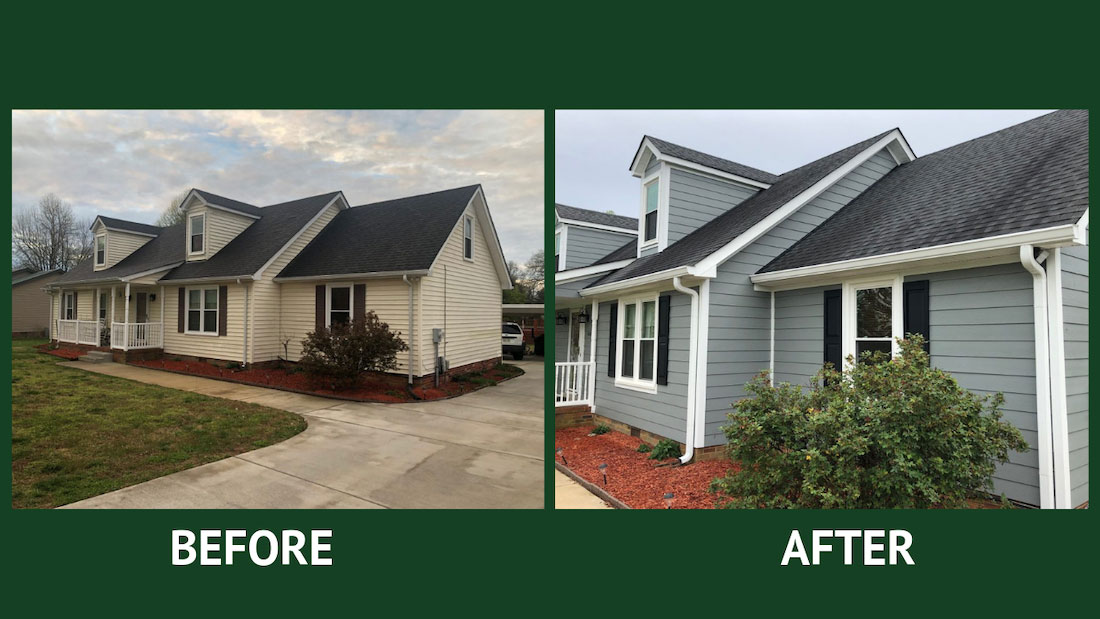
What Affects the Cost of Siding Replacement?
The cost of replacing siding varies widely depending on several factors. These include the material chosen, the size and style of your home, and additional labor costs. Let’s take a closer look at each of these factors.
1. Type of Siding Material
Different siding materials come with different price points. Common options include vinyl, wood, fiber cement, and metal. Here's a quick breakdown of their typical costs:
- Vinyl siding: Often the most affordable option, with costs typically ranging from $2 to $7 per square foot.
- Wood siding: This can be more expensive, with costs ranging from $5 to $12 per square foot, depending on the wood type.
- Fiber cement siding: Known for its durability, fiber cement can cost between $6 to $13 per square foot.
- Metal siding: This includes aluminum and steel options, generally priced between $7 to $12 per square foot.
2. Size of Your Home
Naturally, the larger the house, the more materials and labor will be required to replace the siding. The total area to be covered is one of the largest factors influencing cost. A larger home could cost anywhere between $5,000 to $20,000 or more to replace the siding.
3. Labor Costs
Labor costs can vary significantly depending on where you live. In metropolitan areas, labor costs can be higher due to demand and the cost of living. Labor costs can range from $30 to $80 per hour, and they can add a substantial amount to the total cost of your siding replacement.
4. Additional Costs
Some homes may require additional work, such as the removal of old siding, repairs to the underlying structure, or the installation of insulation. These extra services can increase the overall cost of the project. For example, removing old siding can cost an additional $1 to $3 per square foot.
How to Save Money on Siding Replacement
While siding replacement is a significant investment, there are several ways you can reduce costs without sacrificing quality.
1. Choose Budget-Friendly Materials
If you’re looking to save money, opt for more affordable siding materials, like vinyl or engineered wood. These materials offer a good balance between cost and durability, helping you stay within budget while still protecting your home.
2. Get Multiple Quotes
Always obtain quotes from several contractors before making a decision. This gives you a better idea of the market rate and can help you negotiate a better deal.
3. DIY Removal
If you’re comfortable with DIY projects, consider removing the old siding yourself. This can save you a significant amount of money on labor costs. However, be sure to account for the time and effort involved.
4. Look for Discounts or Promotions
Many contractors offer seasonal promotions or discounts for new customers. Keep an eye out for these deals, especially during off-peak seasons like fall and winter.
Is Siding Replacement Worth the Investment?
Replacing your siding is a major financial decision, and whether it’s worth it depends on your specific needs. If your current siding is damaged, outdated, or inefficient, investing in new siding can improve your home's energy efficiency and curb appeal. Moreover, new siding can increase your property’s value, making it a worthwhile investment if you plan to sell your home in the near future.
Conclusion:
Understanding the factors that influence siding replacement costs can help you make better decisions when planning your home improvement project. By considering the materials, the size of your home, labor costs, and additional services, you can estimate a reasonable budget for your project. Additionally, by following the tips on how to save money, you can ensure that your siding replacement project stays within your budget while still delivering quality results.