Eyelid Surgery Explained: Methods, Healing, and Costs
Blepharoplasty, or eyelid surgery, improves both appearance and function of the upper and lower eyelids. This guide covers surgical methods, step-by-step procedures, recovery and aftercare, cost considerations, differences between upper and lower eyelid surgery, and age-specific considerations. Understanding these factors helps individuals make informed decisions, set realistic expectations, and plan for a safe and effective eyelid procedure.
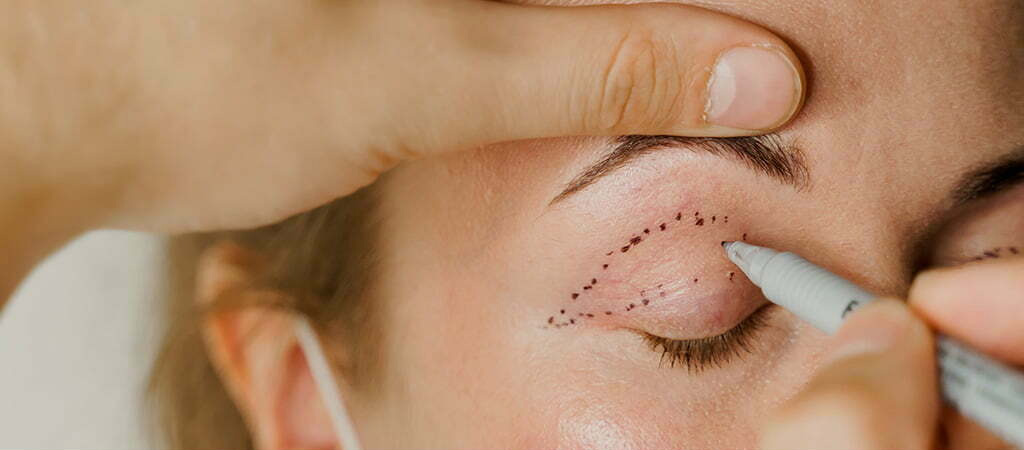
Understanding Blepharoplasty
Blepharoplasty involves reshaping the eyelids by removing or repositioning excess skin, muscle, and fat. The goal is to create a more balanced eyelid contour while maintaining natural eye function. The procedure may be performed for cosmetic reasons, functional reasons, or a combination of both.
Because the eyelid skin is thin and constantly moving, it is often one of the first facial areas to show visible changes over time. Blepharoplasty addresses these changes in a controlled and structured way.
Types of Blepharoplasty
Blepharoplasty is generally categorized based on the area being treated.
Upper Eyelid Blepharoplasty
Upper eyelid blepharoplasty focuses on the skin and tissue above the eye. Common concerns include loose skin that folds over the eyelid crease or creates a heavy appearance.
Typical goals include:
- Removing excess skin that weighs down the eyelid
- Improving eyelid contour and definition
- Reducing visual obstruction caused by drooping skin
Lower Eyelid Blepharoplasty
Lower eyelid blepharoplasty addresses concerns beneath the eye, such as puffiness or under-eye bags.
Typical goals include:
- Reducing or repositioning protruding fat
- Smoothing the transition between the lower eyelid and cheek
- Improving skin tightness when appropriate
In some cases, both upper and lower blepharoplasty are performed together to achieve overall balance.
Surgical Methods Used in Blepharoplasty
Several surgical techniques may be used depending on anatomy and treatment goals.
Skin Excision
Excess skin is carefully removed to reduce sagging while maintaining eyelid function.
Fat Removal or Repositioning
Rather than removing fat entirely, modern approaches often reposition fat to avoid a hollow appearance.
Muscle Adjustment
In selected cases, muscle tissue may be modified to improve eyelid structure.
Incision Placement
Incisions are placed in natural eyelid creases or inside the eyelid to minimize visible scarring.
The specific method used is determined during the pre-procedure consultation.
Blepharoplasty Procedure: Step-by-Step Overview
Although each case is unique, the blepharoplasty process generally follows a structured sequence.
1. Pre-Surgical Preparation
Before surgery, a detailed evaluation is performed, including:
- Medical and eye health history
- Eyelid measurements and assessment
- Discussion of goals and expectations
Instructions regarding medications, supplements, and lifestyle adjustments are typically provided.
2. Anesthesia
Blepharoplasty may be performed using:
- Local anesthesia with sedation
- General anesthesia
The choice depends on the extent of surgery and individual considerations.
3. Surgical Incisions
For upper eyelids, incisions are placed along the natural crease. For lower eyelids, incisions may be placed just below the lash line or inside the eyelid.
4. Tissue Modification
Excess skin, muscle, or fat is removed or repositioned according to the surgical plan.
5. Closure
Incisions are closed with fine sutures to support precise healing.
The procedure typically lasts between one and three hours.
Recovery After Blepharoplasty
Recovery is a gradual process that varies by individual and procedure type.
Early Recovery (First 7 Days)
- Swelling and bruising around the eyes
- Mild tightness or discomfort
- Use of cold compresses and prescribed medications
Short-Term Recovery (Weeks 2–4)
- Noticeable reduction in swelling
- Improved comfort during daily activities
- Gradual return to normal routines
Long-Term Healing
- Incision lines continue to fade
- Final results become more apparent over time
Following post-operative care instructions supports proper healing.
Recovery Precautions and Aftercare Tips
Common aftercare recommendations include:
- Keeping the head elevated while resting
- Avoiding strenuous activities for a recommended period
- Using prescribed eye drops or ointments
- Protecting eyes from sun exposure
- Attending follow-up appointments
Adhering to these guidelines helps reduce complications and supports recovery.
Potential Risks and Considerations
As with any surgical procedure, blepharoplasty involves potential risks, which may include:
- Temporary swelling or bruising
- Dry or irritated eyes
- Infection or bleeding
- Scarring
- Eyelid asymmetry
Discussing risks during consultation allows for informed decision-making.
Cost of Blepharoplasty
The cost of blepharoplasty can vary depending on several factors, including:
- Whether upper, lower, or both eyelids are treated
- Geographic location
- Provider experience
- Facility and anesthesia fees
- Whether the procedure is cosmetic or functional
Upper and lower eyelid surgeries are often priced separately. When both are performed together, the overall cost structure may differ. Pre-operative evaluations, post-operative visits, and prescribed medications may also affect total expenses.
In cases where upper eyelid surgery is performed to address vision obstruction, documentation may be required for medical evaluation purposes. A consultation provides clarity on the complete cost breakdown.
Upper vs. Lower Blepharoplasty: Key Differences
Understanding these differences helps determine the most appropriate approach.
Blepharoplasty Across Different Age Groups
Blepharoplasty is not limited to a specific age range. The reasons for considering surgery often vary by life stage.
Younger Adults
- Genetic eyelid traits
- Early under-eye puffiness
- Desire for improved eyelid definition
Middle-Aged Adults
- Increasing skin laxity
- Combination of cosmetic and functional concerns
Older Adults
- Significant eyelid drooping
- Visual field obstruction
- More pronounced tissue changes
Each age group requires individualized evaluation and planning.
Emotional and Psychological Considerations
Changes to facial appearance can involve an adjustment period. Some individuals report improved confidence after recovery, while others benefit from time to adapt during healing. Open communication during consultation helps establish realistic expectations.
Choosing a Qualified Provider
Selecting a qualified provider is an important step in the blepharoplasty process. Considerations often include:
- Board certification
- Experience with eyelid surgery
- Transparent consultation process
- Clear explanation of risks and limitations
Research and thoughtful questions support informed decisions.
Frequently Asked Questions
Is blepharoplasty permanent? Results are long-lasting, but natural aging continues.
How long is recovery? Many individuals return to routine activities within one to two weeks, depending on healing.
Will scars be noticeable? Incisions are typically placed in natural folds to minimize visibility.
Conclusion
Blepharoplasty is a well-established eyelid surgery that addresses both aesthetic and functional concerns. By understanding the available surgical methods, procedural steps, recovery expectations, cost factors, and age-related considerations, individuals can approach the decision with clarity and confidence. Careful planning, realistic expectations, and professional guidance remain essential components of a well-considered blepharoplasty journey.