Complete Blepharoplasty Guide: Eyelid Surgery Cost, Procedure Types & Care
Blepharoplasty, also known as eyelid surgery, is a popular procedure that enhances the appearance and function of the upper and lower eyelids. Individuals across different age groups seek this treatment for aesthetic improvement, vision-related comfort, or overall facial rejuvenation. This guide explains the types of eyelid surgery, cost factors, clinic selection, age-related considerations, and detailed pre- and post-operative care — tailored for individuals seeking treatment in Ireland.
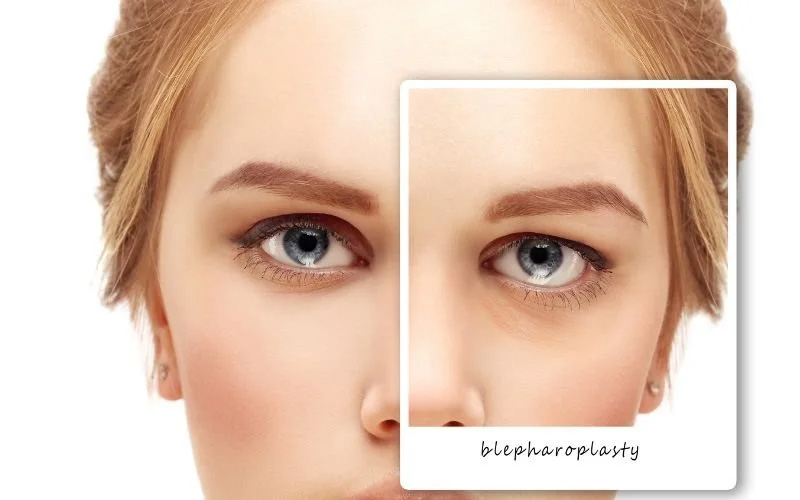
What Is Blepharoplasty?
Blepharoplasty involves adjusting skin, muscle, and fat around the eyelids to improve appearance or function. It can address:
- Upper eyelid drooping
- Under-eye bags
- Puffiness from fat deposits
- Loose or excess skin
- Tired or aged appearance
For many patients, the procedure also contributes to improved vision and comfort.
Types of Blepharoplasty
Upper Eyelid Surgery
Improves the eyelid crease, reduces excess skin, and refines overall contour. Common goals include clearer eyelid definition, reduced heaviness, and a fresher appearance.
Lower Eyelid Surgery
Used to treat eye bags, wrinkles, and hollowness. Techniques may involve:
- Fat removal
- Fat repositioning
- Skin tightening
- Laser support
Age-Based Suitability
Ages 20–30: Structural Enhancements
- Correcting congenital puffiness
- Creating or refining a natural eyelid crease
- Mild contour adjustments
Ages 40–50: Early Aging Correction
- Increasing heaviness of the upper eyelids
- Visible under-eye bags
- Skin laxity combined with fat protrusion
Ages 60 and Above: Functional + Aesthetic Improvement
- Noticeable drooping that affects appearance or vision
- Pronounced skin laxity
- Moderate to severe fat herniation
Blepharoplasty can help many older adults achieve both improved comfort and a more refreshed appearance.
How the Procedure Works
Blepharoplasty typically lasts 45–120 minutes, depending on complexity.
Standard Steps
- Pre-operative marking to design eyelid shape
- Local anesthesia or sedation
- Adjustment of fat, muscle, and skin
- Removal of excess skin (when required)
- Fine sutures for minimal scarring
Surgical Approaches
Transcutaneous (external incision): Incision below the lash line — ideal for patients with significant skin laxity.
Transconjunctival (internal incision): No external scar — ideal for individuals with good skin quality and mild bags.
Additional Enhancements
- Laser resurfacing
- Skin tightening treatments
- Tear-trough fillers
These may be used to complement blepharoplasty results.
Blepharoplasty Cost Overview (Ireland Context)
Costs vary based on surgeon expertise, procedure complexity, anesthesia type, and clinic facilities.
Upper Eyelid Surgery Cost
Generally includes:
- Surgeon fee
- Medical facility fee
- Local anesthesia or sedation
- Post-operative check-ups
- Required medications
Lower Eyelid Surgery Cost
Often higher due to increased complexity and longer surgical time.
Factors That Affect Under-Eye Bags Surgery Price
- Fat removal vs. repositioning
- Need for skin tightening
- Techniques used (laser, advanced devices)
- Whether combined upper + lower surgery is planned
Many clients search “Blepharoplasty Cost Near Me” to compare price ranges and clinic quality.
How to Choose a Clinic Near You
Selecting the right medical provider is essential for safety and long-term results.
Key Selection Criteria
- Surgeon qualified in eyelid or facial procedures
- Strong portfolio of before-and-after results
- Clear explanation of treatment options and risks
- Transparent, itemised pricing
- Accredited surgical facility
Signs of a Good Clinic
- Thorough pre-operative evaluation
- Honest, realistic expectations
- Detailed follow-up care instructions
- Accessible staff and support
Pre-Surgery Preparation
To ensure a smooth experience, patients are encouraged to:
- Stop smoking 2–4 weeks before the procedure
- Avoid blood-thinning medications as advised
- Maintain overall health and rest
- Avoid alcohol 48 hours before surgery
- Not wear contact lenses on the day of surgery
Additional Tip: Prepare cold compresses, artificial tears, and any prescribed medication ahead of time.
Recovery Timeline
Healing time varies based on age, technique, and individual response.
Days 1–3
- Swelling and bruising are common
- Cold compresses recommended
- Sleep with head elevated
Days 4–14
- Bruising begins to fade
- Stitches may be removed
- Light activities are manageable
Weeks 3–8
- Scars soften
- Eyelid contours look more natural
- Make-up can usually be resumed
Post-Operative Care Tips
- Avoid rubbing the eyes
- Pause contact lens use for 1–2 weeks
- Avoid swimming and steam rooms
- Avoid strenuous activities
- Attend all follow-up appointments
Possible Risks
Most effects are temporary, such as:
- Bruising
- Swelling
- Mild dryness
- Temporary asymmetry
Less common complications include infection, scarring, or prolonged healing issues. Choosing an experienced surgeon reduces these risks significantly.
Long-Term Results
Blepharoplasty may offer:
- A fresher, more rested appearance
- Reduced eyelid heaviness
- Significant improvement in under-eye bags
- Smoother eyelid contours
- Improved facial balance
Results typically last many years, influenced by lifestyle, skin quality, and natural aging.
Summary
This guide covers:
- The purpose and benefits of blepharoplasty
- Types of eyelid surgery
- Cost factors and what influences pricing
- Clinic selection guidelines
- Age-specific considerations
- Detailed pre- and post-operative care
Blepharoplasty provides a structured approach to rejuvenating the eyelid area, supporting both aesthetic improvement and functional comfort. With proper assessment and professional guidance, individuals can achieve natural, long-lasting results tailored to their needs.