Bathtub to Shower Conversion: Costs, Company Options & A Clear Homeowner Guide
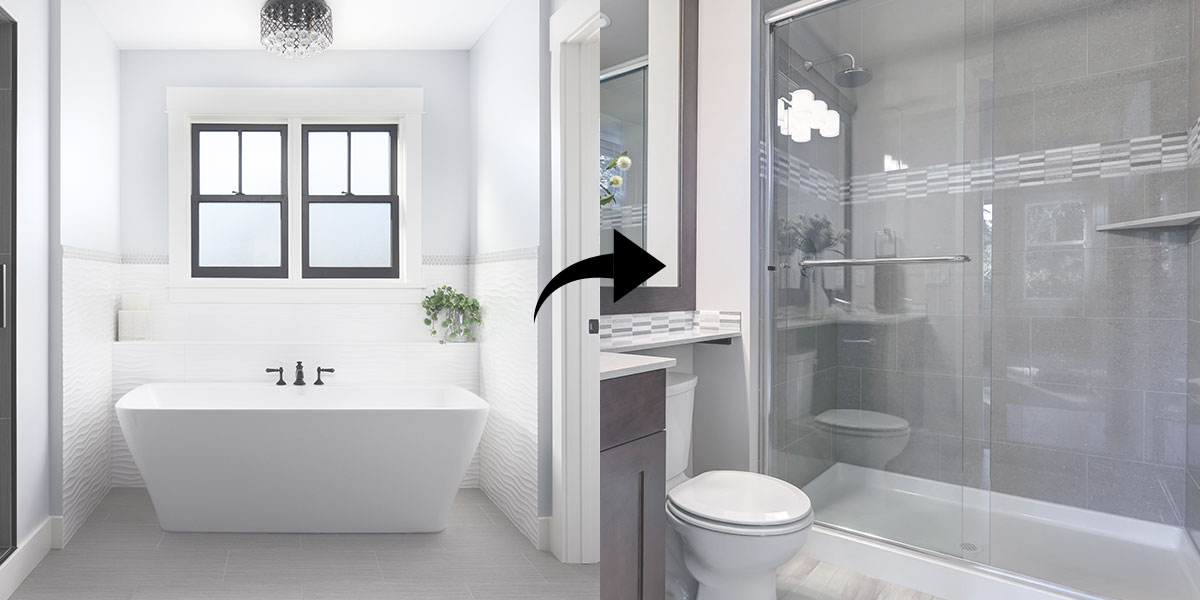
Converting a bathtub into a shower, commonly referred to as a bathtub to shower conversion, has become an option for homeowners who want a more accessible, modern, and space-efficient bathroom. Many users searching for this topic are often exploring renovation possibilities, comparing cost ranges, and looking for guidance on how to choose companies that handle this type of project. The following guide provides an informative overview designed to help users better understand what to expect without offering guarantees or directing toward specific brands. This guide explains the key considerations for a bathtub-to-shower conversion, including estimated costs, typical process steps, contractor selection tips, and common homeowner questions. It outlines how pricing generally varies based on materials, plumbing adjustments, shower design, and labor scope. The article also highlights what reputable companies usually offer, such as assessments, layout suggestions, and transparent cost bre
Key Factors That Influence Project Cost
When researching a bathtub to shower conversion, the cost is usually one of the first concerns. Since each home layout and plumbing system is different, the budget range may vary. Most homeowners plan for an approximate cost based on several core elements, including material choices, labor complexity, and any additional upgrades selected.
Materials and Their Impact on Cost
Different shower materials can influence the overall budget. Acrylic panels, fiberglass surrounds, tile walls, glass enclosures, and stone-style finishes each come with their own price range. Acrylic and fiberglass often provide a more moderate cost, while tile and stone-style panels may require a higher budget due to installation time and material durability.
Shower bases also vary in price depending on whether homeowners select a prefab base or a custom-built solution. Custom builds generally require more labor, which can raise the project’s total expense. Users examining these options often compare long-term maintenance needs, cleaning difficulty, and the style that aligns with their bathroom design.
Labor and Installation Considerations
Labor is another key factor when considering the cost of a bathtub to shower conversion. Installers may need to remove the existing bathtub, inspect plumbing lines, repair surrounding walls, or rebuild parts of the subfloor if moisture damage is found. These additional steps may influence the final cost.
For some households, the timeline for installation may also affect budgeting. A straightforward conversion with existing plumbing in suitable condition may require fewer labor hours, while a more complex project could take longer. Understanding this helps users plan their renovation schedule realistically.
Additional Upgrades and Optional Features
The total cost may increase if homeowners choose extra features, such as built-in seating, additional grab bars, niche shelving, upgraded hardware, or frameless glass doors. These elements provide functional and stylistic benefits but require more materials and labor. Because of this, many users compare standard installation packages against optional enhancements to find a balance that suits their budget.
Estimated Cost (Approximate Ranges)
(Ranges are provided for planning purposes and may vary)
What Homeowners Can Expect from Companies Offering Conversion Services
Companies that provide bathtub to shower conversion services generally follow a structured process. Understanding this can help homeowners evaluate the service quality and professionalism of the companies they contact.
Initial Consultation and Assessment
Most companies begin with a consultation to examine bathroom measurements, existing plumbing, ventilation, and wall structure. This step allows the installer to assess whether the current layout supports a shower installation without major reconstruction. During this visit, users often discuss accessibility preferences, design expectations, and the approximate cost based on what the team observes.
Design Planning and Material Selection
After the assessment, companies typically guide homeowners in choosing materials and layout options. Buyers might look at surface materials, shower bases, door styles, and hardware finishes. Many companies provide sample boards or digital previews to help users visualize the result.
Installation Procedures and What to Expect
The installation phase includes removing the bathtub, performing repairs if required, installing the shower base or pan, adding wall surrounds, sealing joints, and placing fixtures such as the showerhead, handles, shelves, and grab bars. Some companies complete the project within a short timeframe, while others take longer depending on tile work or structural modifications.
Homeowners may prepare by clearing the area, protecting nearby rooms from dust, and planning temporary bathroom arrangements if needed. Good communication with the installer helps ensure the project stays on schedule.
Practical Guide: Steps to Planning a Bathtub to Shower Conversion
Planning this type of renovation involves several considerations. This guide outlines steps users can take to evaluate their needs and prepare for discussions with potential companies.
Assessing Bathroom Layout and Personal Needs
Before contacting companies, homeowners may want to examine their bathroom’s layout. Measuring the bathtub space, checking water pressure, and noting the condition of surrounding walls can help form realistic expectations. Users who share the bathroom with family members may also want to identify accessibility requirements such as low-threshold entries or seating options.
Exploring Style and Functionality
Choosing between tile, acrylic, or fiberglass can shape the bathroom’s visual character. Users often browse online galleries, bathroom magazines, or home improvement showrooms to gather ideas. Functionality matters as much as appearance, which is why storage niches, grab bars, and adjustable showerheads often appear in planning discussions.
Setting a Budget Range
Because cost varies by materials and labor complexity, setting an approximate budget early helps narrow down choices. Users often categorize expenses into must-have and optional items. This helps them maintain a comfortable budget while still considering enhancements that add convenience.
Comparing Companies and Requesting Information
When researching companies, homeowners can look for signs of professional credibility such as licensing, experience in similar projects, and clarity in explaining the installation process. Requesting written estimates allows users to compare scope, materials, and projected timelines. Some homeowners also ask for references or view sample projects to better understand the company’s workmanship.
Preparing for Installation
Once the project is scheduled, preparing the home can help streamline the process. This may include removing items from the bathroom, protecting flooring, and discussing potential noise or dust with household members. During installation, maintaining open communication with the contractor can help address unexpected findings such as hidden moisture or outdated plumbing. These discoveries may adjust the timeline or cost, so staying informed is beneficial.
Common Questions About Bathtub to Shower Conversions
Will the conversion require major plumbing changes?
In many cases, the shower can use the existing plumbing layout. However, if the bathtub drain or fixtures are placed unusually, some adjustments may be necessary. The extent of plumbing changes depends on the home’s current setup.
How long does the project usually take?
A basic bathtub to shower conversion may require a relatively short time frame, while tile-based installations or repairs may extend the schedule. Homeowners often ask companies for a projected timeline during the consultation.
Is maintenance easy for shower systems?
Most shower systems are designed for convenient cleaning. Acrylic and fiberglass surrounds typically require simple wiping, while tile requires periodic grout maintenance. Choosing materials based on upkeep preference helps ensure the shower remains in good condition.
Can the conversion improve bathroom accessibility?
A shower allows for easier entry for many individuals compared to a traditional bathtub. Low-threshold bases, seating, and grab bars are commonly chosen features for accessibility. Users should review these options with installers to ensure suitability.
Practical Examples of Project Scenarios
Homeowners often face unique situations that influence how they approach a bathtub to shower conversion. For instance, someone with a small bathroom may prefer a corner shower layout to create additional open space. Another example involves individuals who want a simple replacement without complex remodeling, choosing acrylic surrounds for efficiency. Some households focus on accessibility, selecting a low-entry shower pan and stable grab bars to support comfort during use.
Each example demonstrates how various needs shape material choices, cost expectations, and design decisions. By examining these scenarios, users can better visualize what may align with their own space.
Final Thoughts on Planning a Bathtub to Shower Conversion
A bathtub to shower conversion is an effective way to update a bathroom’s function and appearance. While cost, company selection, and installation steps vary, performing thoughtful preparation helps homeowners approach the project with clarity. Understanding the materials, layout considerations, and possible upgrades can support users in making informed decisions. With practical expectations and professional guidance, this conversion can be a meaningful improvement that enhances everyday use while fitting different household needs.