Car Battery Replacement Guide: Save Time & Avoid Breakdowns
Comprehensive guide on car battery replacement covering when to replace, typical U.S. cost ranges, warning signs of a failing battery, step-by-step replacement considerations, and maintenance tips to maximize battery life. Practical information helps understand expenses, prevent unexpected vehicle failures, and ensure reliable operation.
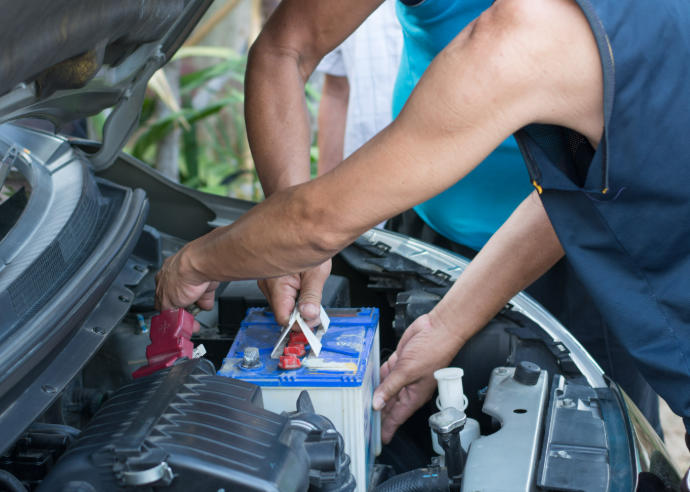
A vehicle’s battery is one of those components that tends to get little attention—until the moment the engine won’t start. Understanding car battery replacement is a smart move for any driver who wants to avoid being stranded, maintain vehicle reliability, and plan for the expense ahead. In this guide we’ll walk through when a battery should be replaced, why doing so is important, and how the process works. Reference price data for the U.S. market is included, so you can feel informed rather than surprised.
When Should a Car Battery Be Replaced?
Most car owners can expect to replace the battery in their vehicle somewhere between three and five years of service, depending on use and conditions. Several warning signs typically indicate that replacement is looming:
- Slow engine crank or delayed start despite a charged key turn.
- The “Check Battery” or similar warning light appears on the dashboard.
- Visible battery case swelling, corrosion on terminals, or fluid leakage.
- The vehicle sits unused for long periods and struggles to start afterward.
- Cold weather – either extreme cold or repeated short trips – which places extra strain on the battery.
Recognising these signs early means you can schedule a timely car battery replacement, rather than waiting for an unexpected failure at the worst time.
Why a Timely Car Battery Replacement Matters
First, a fresh battery improves reliability. If the battery is weak, dead or dying, a vehicle may fail to start or may stall unexpectedly. That can lead to inconvenient—and potentially risky—situations, such as being stranded in bad weather, at night or in a remote area. Second, even if the vehicle does start, a weak battery can strain other systems: the alternator may run harder, onboard electronics may behave erratically, and accessory features (heated seats, infotainment, etc.) might show glitches. Third, planning for car battery replacement ahead of time is often cheaper and less stressful than dealing with an emergency. Because the typical cost varies (battery + labor) your budgeting becomes more predictable when you know the figures. Reference price ranges (battery alone) in the U.S. market lie between about US $45 and US $250. Some sources list the typical battery purchase cost between US $75 and US $200, though labor and vehicle‑specific factors will add to that.
What Impacts the Cost of a Car Battery Replacement?
Several factors affect how much a car battery replacement will cost:
Battery quality and type A basic lead‑acid battery for a conventional vehicle may cost toward the lower end of the range. High‑performance (e.g., AGM or enhanced standby) batteries for luxury vehicles or those with heavy accessories tend to cost more.
Vehicle make, model and battery size Some vehicles require larger or special‑fit batteries, which carry a premium. Market listings show batteries priced up to US $300 or more for specific high‑end models.
Labor and installation complexity While many parts stores now include free installation when a battery is purchased there, some vehicles may require extra work (access panels removed, programming resets, special hold‑downs), increasing labor cost.
Local market and urgency If you need emergency service (e.g., roadside replacement) or live in a high‑cost region, expect higher pricing. Also, mobile services will charge for convenience.
Warranty and recycling fees Premium batteries often come with longer warranties; recycling fees may also apply in some states.
How to Go About Car Battery Replacement
Here’s a breakdown of how you might approach a battery replacement:
Step 1: Diagnose the battery condition It’s worth testing the battery and charging system before simply replacing the battery. A battery may appear weak because the alternator is failing to charge it. Many auto parts stores offer free battery testing.
Step 2: Choose the right battery size and type Refer to your vehicle owner’s manual or existing battery label for group size and specification. Ensure the replacement matches or exceeds required cold‑cranking amps (CCA) and reserve capacity.
Step 3: Decide between DIY or professional installation If you’re comfortable with basic mechanical work, you might perform the replacement yourself: disconnect negative terminal first, then positive; remove the hold‑down; lift out the old battery; install the new one ensuring proper orientation and secure connection. However, if the vehicle has complex access, programming needs or warranty concerns, opting for professional installation may be wise.
Step 4: Proper installation and disposal After installation check that the vehicle starts smoothly, that all accessories function normally, and that the battery is secured and terminals are clean. Many installers include recycling of the old battery—important due to environmental regulations.
Step 5: Post‑replacement checks and maintenance Monitor the battery voltage (should be about 12.6 V or more when engine off) and ensure the charging system raises it to around 13.7–14.7 V while running. Avoid leaving your vehicle unused for long periods. In cold winters or hot summers, park in shade or a garage to reduce thermal stress.
What to Expect in Terms of Cost for Car Battery Replacement
As noted earlier, in the U.S. the battery itself may cost between US $45 and US $250, depending on type and size. Typical full service replacement (battery + labor) for a standard passenger car will often come in the ballpark of US $75 to US $200 or somewhat higher for premium vehicles. If you choose a mobile service, or your vehicle requires special fitment or programming, the total cost could be more. Budgeting ahead and comparing quotes will help manage this expense.
How to Maximise the Lifetime of a New Battery
To get the most from your investment in a replacement battery:
- Take at least one longer drive occasionally rather than many short trips, so the battery gets properly recharged.
- Ensure battery hold‑down clamps are securely fastened so there is no vibration damage.
- Avoid using lights, infotainment or accessories when the engine is off for extended periods.
- Remove terminal corrosion promptly and keep the battery surface clean.
- In very hot climates, park in shade or indoors when possible; high heat shortens battery life.
- Don’t allow the vehicle to sit unused for a week without starting or driving it, as sulfation and discharge may accelerate.
Conclusion
Understanding car battery replacement means more than knowing the phrase—it means recognising when your battery may be failing, understanding what influences cost, and being prepared for the process and expense. By keeping an eye on battery health and planning ahead, you’re far more likely to avoid unexpected breakdowns and budget snugly for replacement when the time comes. The reference cost ranges used above (battery alone US $45‑US $250; full service US $75‑US $200+) provide a baseline—actual cost will depend on your vehicle, battery type and where you live. When you’re ready to take action, you’ll be doing so from a position of knowledge, rather than surprise.