This Wooden Fence Trend Is Redefining American Gardens
Wooden fence panels merge craftsmanship and natural design to enhance privacy and beauty in American yards. Each panel expresses texture, warmth, and identity, offering flexibility for modern and traditional homes alike. Sustainable choices, creative layouts, and proper maintenance extend durability while preserving the timeless charm of real wood.
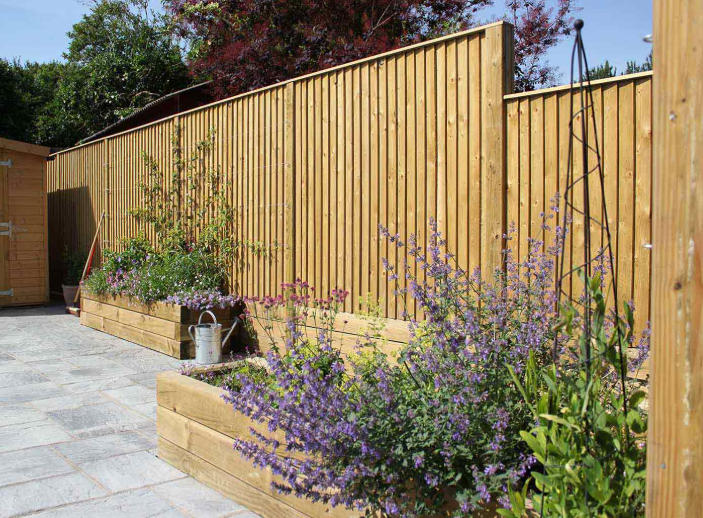
wooden fence panelsThe Quiet Appeal of Wooden Fences in American Yards
Across the United States, wooden fence panels continue to define how homeowners shape their gardens and outdoor living spaces. They offer warmth, texture, and a timeless connection between architecture and landscape. While many modern materials compete for attention, wood remains deeply tied to tradition — it ages gracefully, it breathes with the environment, and it fits nearly every home style from rustic farmhouse to coastal contemporary.
Searching for “wooden fence panels” isn’t just about purchasing materials; it reflects a desire to create comfort, privacy, and visual harmony. Each panel tells a story — of craftsmanship, sustainability, and personal expression.
Why Wooden Fence Panels Remain a Popular Choice
The popularity of wooden fence panels in the U.S. stems from a blend of function and emotion. Wood feels approachable; it softens the boundary between homes and nature. Beyond its visual appeal, it’s also flexible — panels can be cut, shaped, or arranged in countless designs.
Another reason is adaptability. Wooden panels suit both suburban backyards and large rural landscapes. They provide privacy where needed, define garden zones, and complement outdoor structures like decks, patios, or pergolas.
Finally, there’s cultural familiarity. Wood has been part of American homes for centuries, symbolizing stability, warmth, and a connection to the earth.
Types of Wooden Fence Panels and Their Characteristics
Cedar Panels
Cedar is a premium material known for natural oils that resist decay and insects. Its soft reddish tone weathers beautifully into a silvery patina, blending seamlessly with gardens.
Redwood Panels
Redwood offers strength, durability, and color richness. It’s often used for statement fences in landscaped properties. Though more expensive, its lifespan makes it a practical long-term choice.
Pine Panels
Pressure-treated pine panels are affordable and widely available. They accept paint or stain easily, allowing for customization. However, consistent maintenance is needed to prevent warping or moisture damage.
Reclaimed and Recycled Wood Panels
Eco-conscious homeowners choose reclaimed wood from barns, old houses, or pallets. Each piece carries unique grain patterns and marks of time, offering character and sustainability in one.
Aesthetic Roles: How Wood Shapes Outdoor Identity
A wooden fence panel is not just construction — it’s design language. It frames a garden’s personality. Vertical slats give height and order; horizontal layouts feel modern and expansive. Alternating board widths or lattice tops create rhythm and shadow play, adding subtle sophistication.
Color also defines mood. Natural stains highlight the grain, while muted paints blend the fence into the landscape. White-painted panels echo traditional Americana, while dark tones emphasize greenery and depth.
In community neighborhoods, fences contribute to collective beauty. A well-designed fence aligns with local aesthetics, maintaining harmony between private expression and shared visual culture.
Installation and Design Considerations
Before building, homeowners often plan for balance between durability, privacy, and airflow. Post spacing, panel height, and soil condition all affect stability.
Good drainage prevents rot — gravel beneath posts and waterproof sealants help extend lifespan. For sloped yards, stepped or racked designs keep panels aligned without gaps.
Professional installation ensures structural integrity, but many Americans enjoy DIY fence projects for creative freedom. Pre-made wooden fence panels simplify this process while preserving custom potential.
Privacy, Sound, and Safety
Wood naturally absorbs sound, making it an ideal material for quiet backyards. Panels arranged closely together block street noise and create intimate outdoor rooms.
Taller fences (6–8 feet) increase privacy for patios or pools, while semi-open patterns like shadowbox or lattice-top styles maintain airflow and light. Proper spacing between boards also helps reduce wind pressure and prolong stability.
Maintenance and Seasonal Care
To keep wooden fence panels looking their best, periodic care is essential:
- Clean annually with a soft brush and mild detergent.
- Inspect for cracks or loose nails after heavy weather.
- Apply sealant or stain every two to three years.
- Trim plants to avoid moisture retention.
These small efforts preserve beauty and prevent costly repairs. Wood, unlike synthetic materials, rewards attention — the more it’s cared for, the richer it looks with age.
Sustainability and Environmental Benefits
Wood is renewable, biodegradable, and often locally sourced. When harvested responsibly, it has a smaller carbon footprint than most synthetic alternatives.
Choosing FSC-certified wood or reclaimed panels supports forest preservation and reduces waste. Many homeowners also prefer natural finishes over chemical coatings, aligning their outdoor design with eco-friendly values.
Furthermore, wooden fence panels integrate seamlessly with living landscapes. They allow birds, insects, and climbing plants to coexist, turning boundaries into microhabitats.
Modern Trends in Wooden Fence Design
Today’s trends move toward simplicity and texture. Homeowners embrace wide horizontal boards for modern architecture, while others prefer vertical slats for classic appeal.
Mixed materials are gaining traction: pairing wood with steel frames or stone bases improves durability and visual balance. Minimalist designs with hidden fasteners and smooth surfaces complement contemporary outdoor furniture.
Lighting also plays a growing role. LED strips along the fence base or soft uplights emphasize the grain and depth of the wood, making the yard visually engaging after dark.
Budget Planning and Long-Term Value
While initial installation costs vary by material, wooden fences offer long-term flexibility. Damaged panels can be replaced individually, saving money compared to full-structure repairs. DIY-friendly panel systems also reduce labor costs.
The resale value of homes with well-maintained fences is often higher. A sturdy, attractive wooden fence panel enhances curb appeal, contributing to first impressions during property sales.
Emotional and Cultural Value
In American culture, the wooden fence carries symbolic weight — from the “white picket fence” dream to the privacy of suburban life. It marks both boundaries and belonging.
That emotional layer makes wood more than just material. It becomes part of family history — kids painting slats, pets resting under shade, seasons weathering the texture into something uniquely personal.
This combination of nostalgia and practicality keeps wood fencing relevant, even in an age of modern alternatives.
Conclusion
A wooden fence panel represents the intersection of craftsmanship, nature, and identity. It defines space without isolating it, protects privacy without removing beauty. In American homes, it remains a medium of expression — flexible, sustainable, and timeless.
Whether designed for charm, privacy, or community harmony, wooden fences remind people that design can be both functional and poetic.