Garden Fence Designs Everyone in the U.S. Is Talking About
Garden fence designs blend privacy, durability, and style for American yards. From wood and vinyl to metal and eco-friendly materials, each option defines the outdoor atmosphere while enhancing security and comfort. Trends highlight natural tones, mixed materials, and sustainable choices that elevate curb appeal and create inviting outdoor living spaces.
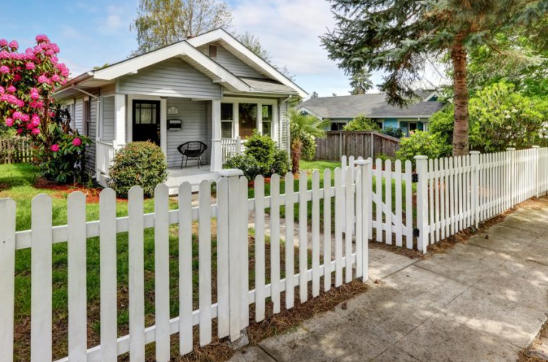
Understanding Why “Garden Fence” Matters to Homeowners in the U.S.
When people in the U.S. search for “garden fence,” they usually want more than a simple boundary. They are thinking about privacy, safety, and aesthetics all at once. A well-designed garden fence adds structure to a yard, frames landscaping, and creates a welcoming sense of home. It’s also a subtle way to express personal style — from rustic wood panels to sleek metal lines, each design choice changes the character of the outdoor space.
For many homeowners, the fence project starts with inspiration. They might wonder which materials are durable, what height ensures privacy, or how to balance beauty with maintenance needs. This article explores those questions, helping readers understand what truly makes a garden fence functional and attractive in the American climate and lifestyle.
The Role of a Garden Fence in Outdoor Design
A fence does more than mark property lines. It defines how a space feels and how it is used. In suburban or urban areas, fences protect small gardens from animals or create a quiet corner for relaxation. In rural settings, they help organize large plots while keeping the landscape open.
The American approach to garden design often blends practicality with creativity. Many homeowners look for fences that not only serve as barriers but also highlight greenery, support climbing plants, or form part of an outdoor seating area. A good garden fence becomes part of the overall story of the yard — connected to pathways, flower beds, patios, and even outdoor lighting.
Common Materials and Their Unique Qualities
Wood: Natural Warmth and Versatility
Wood remains the most popular choice because it’s easy to customize. Cedar and redwood resist decay, while pine is affordable and easy to paint. However, wooden fences need regular sealing or staining to resist moisture and insects. Their charm lies in the natural grain that softens the transition between home and nature.
Vinyl: Clean Look with Low Maintenance
Vinyl fences have become common in American neighborhoods. They mimic the look of painted wood but require no sanding, painting, or staining. They resist fading and moisture, which makes them ideal for humid or rainy regions. The initial cost might be higher, but over time, the low upkeep makes vinyl fences cost-effective.
Metal: Strength and Elegance
Aluminum and wrought iron fences are durable and timeless. They create a sophisticated appearance that works well for both classic and modern homes. Powder-coated finishes prevent rust, and simple designs allow airflow while maintaining a secure perimeter. Many homeowners choose metal fences for front gardens or entryways because they add structure without blocking the view.
Composite and Recycled Materials
Eco-conscious homeowners often choose composite fences made from recycled wood fibers and plastic. These options combine strength, low maintenance, and sustainability. They don’t warp or splinter easily, and they’re available in many textures and colors, blending well with natural surroundings.
How to Choose the Right Fence for Your Yard
Selecting the right garden fence starts with evaluating the environment and goals. Consider the following factors:
- Climate: In humid areas, choose moisture-resistant materials like vinyl or composite. In dry climates, treated wood performs well.
- Purpose: Is the goal privacy, decoration, or security? Taller fences with minimal gaps enhance privacy, while shorter or open designs allow airflow.
- Maintenance: Some homeowners enjoy repainting and refinishing wood, while others prefer low-maintenance materials.
- Budget: Initial cost and long-term upkeep should both be considered.
Before installation, check local regulations — many U.S. cities have height limits or style restrictions, especially for front yards.
Design Inspirations to Transform Your Outdoor Space
Mix of Materials
Combining wood and metal adds a modern aesthetic. For example, horizontal cedar slats framed in black steel create a balance between warmth and minimalism.
Vertical Gardens
Turn your garden fence into a living wall by attaching planters or climbing vines. Plants like ivy, jasmine, or clematis thrive on fences and add natural beauty.
Painted and Patterned Styles
A painted fence brings color and creativity to your garden. Earth tones match the landscape, while bold colors create visual contrast. Some homeowners use stencils to add geometric or floral patterns.
Light and Shadow
Adding solar-powered lights or LED strips along the fence enhances ambiance in the evening. The interplay of light and shadow can make even a small yard feel inviting and cozy.
Privacy Solutions That Still Feel Open
American homeowners often want privacy without complete isolation. Semi-transparent materials, lattice panels, or layered greenery help achieve that balance. For instance, bamboo fences filter sunlight while softening the view. Trellises with climbing plants act as living screens — practical, eco-friendly, and beautiful.
Using height variations also creates visual interest. A combination of solid lower panels and open upper sections can protect privacy while keeping airflow and light.
Maintenance and Longevity
Taking care of your garden fence doesn’t have to be overwhelming. Simple, regular upkeep keeps it strong and appealing for years:
- Clean surfaces with mild soap and water every few months.
- Inspect for cracks, rust, or loose nails.
- Reseal or repaint wood annually.
- Trim plants to prevent moisture buildup.
These small steps help prevent costly repairs and maintain the fence’s visual harmony with the garden.
Eco-Friendly and Sustainable Fencing
Sustainability continues to shape American home design. Reclaimed wood, bamboo, and recycled materials allow homeowners to build fences with less environmental impact. Living fences — hedges or shrub walls — support biodiversity and enhance air quality.
Eco-friendly fencing also matches the minimalist trend in modern landscaping: clean lines, natural textures, and materials that age gracefully. Choosing sustainability doesn’t mean sacrificing style; it often enhances it.
Budget-Friendly Tips
A stylish fence doesn’t always require a large investment. Homeowners can reuse existing posts, paint only visible sections, or install sections gradually. DIY-friendly kits make it easier to build small fences without professional help.
Creative reuse — like turning old pallets into rustic fencing — adds character while keeping costs low. Local marketplaces often have leftover materials that can be repurposed sustainably.
Safety and Legal Considerations
Before installing any fence in the U.S., homeowners should confirm property boundaries through official surveys. Local regulations may restrict height, color, or placement. Additionally, fences near sidewalks or intersections must maintain visibility for safety.
It’s also considerate to discuss plans with neighbors — especially for shared boundaries — to ensure mutual understanding and harmony.
Final Thoughts
A garden fence is more than a practical feature — it’s a statement of how people live and connect with their outdoor space. From the warmth of natural wood to the sleek simplicity of vinyl or metal, every material tells a story about lifestyle, taste, and priorities.
By balancing design, privacy, and sustainability, homeowners can create gardens that are both beautiful and meaningful. The fence becomes not just a border but an extension of home life — peaceful, welcoming, and personal.