Why Smart Homeowners Are Turning to Solar Air Conditioning
Explores how solar air conditioners transform comfort, reduce energy costs, and promote sustainable living. Discusses key differences from traditional units, emotional benefits of energy independence, and real-world advantages for homeowners. Highlights how solar-powered cooling combines environmental responsibility with modern convenience, offering a smarter and cleaner way to stay cool.
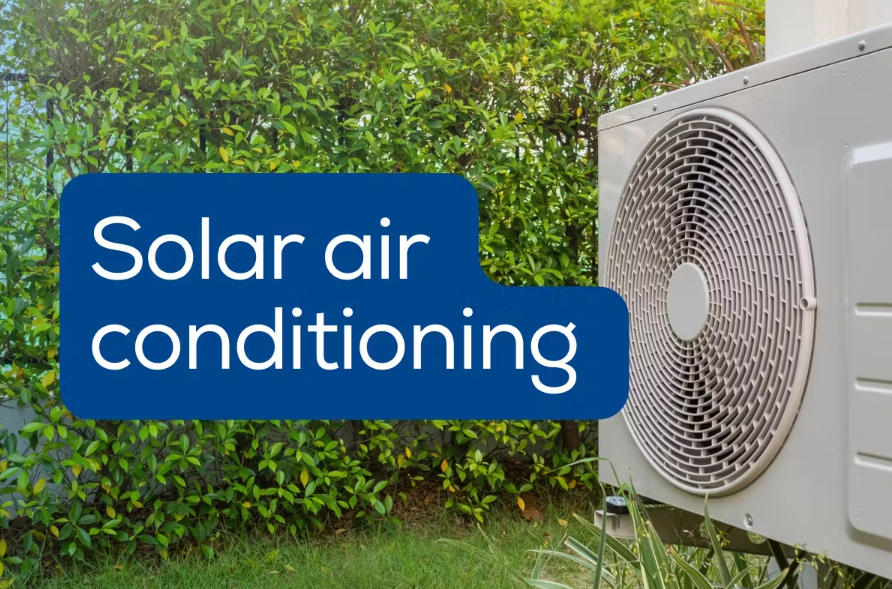
The way people cool their homes is changing. For decades, air conditioners have symbolized comfort—but also high energy bills and growing environmental concerns. As summers get hotter and electricity demand increases, more homeowners are asking a simple question: Is there a better way to stay cool?
That question leads to one of the most promising innovations in modern home technology — the solar air conditioner. While traditional units depend entirely on the grid, solar-powered systems take advantage of a limitless, free resource: sunlight. Yet the real impact of solar air conditioners goes beyond lower energy costs. They represent a shift in how comfort, sustainability, and independence can work together.
A New Definition of Comfort
Comfort used to mean simply setting the thermostat to a cooler temperature. But modern comfort is broader. It means maintaining a pleasant home without financial stress, guilt about energy use, or fear of power outages.
Solar air conditioners bring that freedom. Because they run on solar energy—either fully or partially—they reduce dependence on utility companies and volatile energy prices. Many households find peace of mind knowing that even during power shortages, part of their cooling system remains functional through stored solar energy.
This quiet independence is something traditional AC systems simply cannot offer.
The Human Benefit of Solar Cooling
Solar air conditioners are often described in terms of efficiency, but their human impact may be even more significant.
1. Relief from Rising Energy Costs
Electricity bills are one of the most visible household expenses during summer. A typical air conditioner can consume up to 40% of a home’s energy use. Switching to a solar-assisted system allows that cost to drop dramatically, freeing up family budgets for more meaningful spending—education, travel, or savings.
2. Healthier Living Environment
Many solar systems incorporate advanced air purification and humidity control because they are designed for modern, energy-efficient homes. A stable, filtered airflow reduces the risk of mold, allergens, and heat-related fatigue, making homes more livable even during long heatwaves.
3. Quiet and Reliable Operation
Solar hybrid units are engineered with newer inverter technologies. They run quieter, maintain consistent cooling, and avoid the frequent cycling that makes old AC systems noisy and power-hungry.
Why Solar Power Changes Everything
A solar air conditioner doesn’t just cool the room — it redefines how energy is used.
Traditional ACs pull electricity from fossil-fuel-based grids. Solar systems, on the other hand, generate clean power directly from the sun through photovoltaic (PV) panels. This shift reduces carbon emissions and transforms every homeowner into a small-scale energy producer.
In areas with high solar exposure—like California, Arizona, or Texas—the results are remarkable. A typical 1.5-ton solar AC system can offset several hundred dollars in electricity costs every summer while cutting carbon emissions by hundreds of kilograms annually.
But the real advantage is how it changes people’s relationship with energy. Instead of being passive consumers, users become active participants in sustainability.
The Difference That Matters
While both solar and conventional air conditioners aim to provide cooling, the experience they deliver is fundamentally different.
- Power Source – Solar units use clean, renewable energy, while traditional units rely entirely on grid power.
- Energy Dependence – Solar systems reduce vulnerability to energy price spikes and outages.
- Operating Costs – Once installed, solar ACs have extremely low running costs compared to grid-powered ones.
- Long-Term Value – Over time, solar cooling becomes an investment that pays back through savings and increased property value.
- Environmental Impact – Solar energy leaves no carbon footprint, unlike conventional electricity generation.
The difference isn’t just technical — it’s emotional. Knowing your comfort comes without harming the planet brings a kind of satisfaction that a standard system can’t match.
Beyond Cooling: A Lifestyle Choice
Adopting solar air conditioning often reflects a broader mindset. People who choose solar aren’t just buying a product; they’re embracing a different relationship with energy and the environment.
It’s about autonomy — not waiting for policy changes, but taking direct action to make a home more efficient and sustainable. It’s about balance — finding comfort that doesn’t come at the planet’s expense. And it’s about pride — knowing that modern technology can align with personal values.
For families raising children in an era of climate change, these choices also carry educational value. A home that runs partly on solar power becomes a living example of responsibility and innovation.
Installation and Cost Considerations
While solar systems once seemed expensive, costs have dropped significantly. A solar air conditioner can now be installed for roughly $3,000–$6,000, depending on capacity, brand, and whether panels are already part of a home’s solar setup.
Many states in the U.S. offer tax credits or rebates for solar energy systems, further reducing upfront investment. The operational savings often balance installation costs within a few years.
For those already using rooftop solar panels, connecting a compatible air conditioner requires minimal additional equipment. Hybrid models can automatically switch between solar and grid power depending on sunlight availability, ensuring uninterrupted comfort.
A Smart Step Toward Energy Independence
As the global energy landscape evolves, solar air conditioning offers a glimpse of what a self-sufficient future might look like. Homes that once depended entirely on centralized grids can now generate, store, and manage their own power efficiently.
Imagine an afternoon when the sun is blazing, temperatures are high, and everyone turns on their air conditioners. Traditionally, this causes grid strain and blackouts. But with solar systems, each home helps reduce that burden instead of adding to it.
In that sense, solar air conditioners are more than appliances—they are part of an energy revolution.
Addressing Common Misconceptions
Some homeowners worry that solar ACs won’t perform well during cloudy days or at night. However, modern hybrid systems solve this by combining solar power with battery storage and grid backup. The system automatically balances power sources to maintain stable cooling without manual control.
Another misconception is that solar cooling is only for large houses. In reality, compact units are available for apartments and small homes, making clean cooling accessible to nearly everyone.
Environmental and Emotional Impact
Cooling is no longer just about temperature—it’s about the kind of world being built. Every time a solar air conditioner runs, it contributes to fewer carbon emissions and less strain on fossil fuel systems.
For many people, this awareness brings emotional satisfaction. There’s comfort in knowing that the daily act of staying cool contributes, however modestly, to a cleaner planet.
Even small actions, repeated across millions of homes, can have a measurable global impact.
Looking Ahead
The solar air conditioner represents more than a piece of technology. It’s a symbol of progress—showing how innovation can make life easier, cleaner, and more affordable at the same time.
In the coming years, as solar panels become more efficient and energy storage cheaper, solar-powered cooling systems will likely become standard rather than exceptional. Early adopters are already experiencing the benefits: lower bills, cleaner air, and a quieter kind of comfort.
Conclusion
The move toward solar air conditioning is not just an upgrade—it’s a transformation of how comfort and responsibility coexist. It reduces costs, protects the environment, and redefines what it means to live well in a modern home.
As sunlight pours across rooftops every day, it brings more than warmth—it brings potential. And those who harness it for comfort are already living in the future.