Real Stone Look, Half the Cost: Why Faux Panels Are Winning Homes
Comprehensive guide to faux stone panels, comparing materials, costs, and benefits. Explains installation steps, common applications, and long-term value. Highlights affordability, ease of installation, and low maintenance as major advantages over real stone, making faux stone panels the ideal modern choice for both residential and commercial projects.
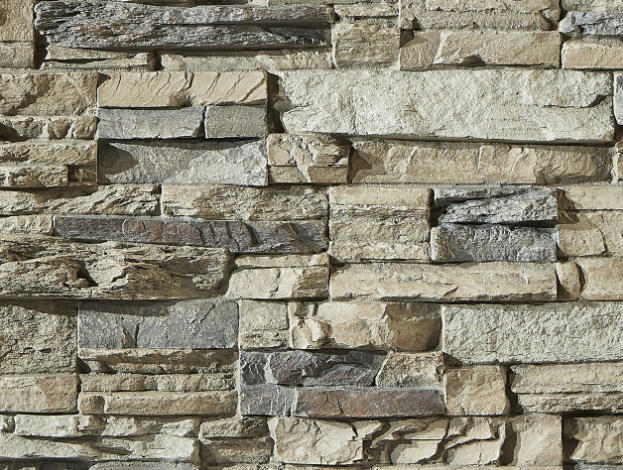
When it comes to home renovation or commercial design, few materials capture attention like natural stone. It adds texture, depth, and timeless beauty to walls and facades. However, natural stone can be heavy, expensive, and time-consuming to install. This is where faux stone panels—a modern alternative—come into play.
Faux stone panels offer the same rich look as real stone but at a fraction of the cost, weight, and installation effort. Whether updating a living room accent wall, enhancing an outdoor patio, or refreshing a storefront, these panels provide an easy and cost-effective solution for achieving a high-end finish.
What Are Faux Stone Panels?
Faux stone panels are lightweight wall coverings made from high-density polyurethane, PVC, or resin-based materials molded to replicate the texture and color of real stone. Advanced manufacturing techniques capture every detail—veins, grain, and irregular shapes—so the result looks remarkably authentic.
Each panel is designed to interlock seamlessly, creating a natural stone appearance without the need for mortar, grout, or special tools. This makes them ideal for both interior and exterior applications.
Types of Faux Stone Panels
There are several varieties to suit different design goals, budgets, and environmental conditions.
1. Polyurethane Foam Panels
These are lightweight, easy to install, and highly realistic. They offer good insulation properties and resist moisture, making them perfect for indoor walls or feature areas.
2. PVC-Based Panels
PVC panels are durable, water-resistant, and ideal for bathrooms, kitchens, or outdoor façades. Their rigid structure makes them slightly heavier but more impact-resistant.
3. Resin-Cast Stone Panels
Made from synthetic resin mixed with stone powder, these panels have a harder surface and can mimic limestone, slate, or granite. They’re suitable for both indoor and outdoor use where a tougher surface is needed.
4. Gypsum-Based Faux Panels
While less common outdoors, gypsum panels are excellent for interior accent walls. They provide texture and depth without the weight of stone.
Faux Stone vs. Real Stone: A Clear Comparison
When comparing faux stone panels with natural stone, several differences stand out:
- Weight — Faux stone is much lighter, usually around 1–3 kg/m², while natural stone can reach 20–40 kg/m².
- Installation — Faux panels are easy to handle and DIY-friendly, while real stone requires skilled labor and special tools.
- Cost — Faux panels typically cost between $8 and $15 per square foot, compared to $25 to $50 for natural stone.
- Maintenance — Faux stone needs very little care, whereas real stone requires sealing and regular cleaning.
- Durability — Faux stone resists weather and UV exposure well, while natural stone offers extreme longevity.
- Flexibility — Faux panels can be easily cut and shaped; real stone is harder to modify.
- Aesthetics — Modern faux panels have highly realistic textures, though natural stone retains its authentic look and tactile feel.
Faux stone panels provide excellent visual appeal for most design projects while saving money and installation time.
Installation Cost and Process
One of the major advantages of faux stone panels is cost-efficiency.
- Average Cost (Materials + Labor): Typically ranges between $10 and $25 per square foot, depending on brand and location.
- DIY Installation: Homeowners can often install panels without professional help, reducing costs dramatically.
- Professional Installation: Labor costs are lower compared to real stone—about $4–$8 per square foot—because no masonry, mortar, or heavy lifting is required.
Basic Installation Steps:
- Prepare the Wall: Clean and level the surface.
- Measure and Cut Panels: Use a saw or utility knife to trim edges.
- Apply Adhesive: Construction adhesive or screws secure panels to walls.
- Interlock Panels: Align them carefully for a seamless appearance.
- Seal and Finish: Caulk joints if needed and paint touch-ups for realism.
A typical living room feature wall can be completed in a single day—something impossible with traditional stone.
Benefits of Using Faux Stone Panels
1. Affordable Elegance
They mimic the look of granite, slate, or sandstone without the high material and labor costs.
2. Quick and Easy Installation
No mortar, special tools, or structural reinforcement needed. Even DIY enthusiasts can achieve professional results.
3. Lightweight and Versatile
Their low weight means they can be used on drywall, concrete, wood, or metal surfaces without extra support.
4. Durable and Weather-Resistant
Faux stone panels resist moisture, mold, UV rays, and temperature changes, making them perfect for all climates.
5. Low Maintenance
No sealing, polishing, or heavy cleaning required. Just occasional dusting or gentle washing.
6. Energy Efficiency
Some panels offer thermal insulation properties, reducing heat transfer and saving on energy bills.
7. Sustainable Option
Manufactured using eco-friendly materials, faux stone reduces quarrying and waste.
Where to Use Faux Stone Panels
- Interior Walls: Living rooms, fireplaces, kitchens, hallways
- Exterior Walls: Facades, garden walls, patios, garages
- Commercial Spaces: Cafés, offices, retail stores, restaurants
- Accent Areas: Entryways, staircases, reception areas
Because of their adaptability, they fit both rustic and modern aesthetics.
Choosing the Right Faux Stone Panels
When selecting panels, consider:
- Texture & Style – Match your home’s design (e.g., rustic fieldstone, sleek slate, or rugged brick styles).
- Color Tone – Warm earth tones for cozy interiors, grey or charcoal for modern looks.
- Application Type – Indoor vs. outdoor materials (check manufacturer specs).
- Panel Thickness – Thicker panels offer more depth but weigh slightly more.
- Warranty & Quality – Choose reputable brands offering UV protection and moisture resistance.
Top-rated manufacturers often provide installation kits, color-matching caulks, and long-term durability guarantees.
Potential Drawbacks
While faux stone panels offer numerous advantages, it’s important to understand limitations:
- Less Durable than Natural Stone in heavy-impact areas.
- Color Fading may occur if low-quality panels are exposed to intense sunlight over years.
- Artificial Feel under close touch compared to genuine stone.
However, with high-end products, these drawbacks are minimal and outweighed by their cost and convenience benefits.
Estimated Lifespan
High-quality faux stone panels can last 20–30 years with minimal upkeep. Their durability largely depends on installation quality, exposure to harsh weather, and material type. For most residential projects, they provide long-term value and aesthetic satisfaction.
Why Homeowners Are Choosing Faux Stone
Modern homeowners want affordable beauty without compromise. Faux stone panels combine modern engineering with visual charm, enabling anyone to create a luxurious look quickly. From city apartments to countryside homes, they are redefining wall design in North America.
Interior designers also love them because they’re flexible, reusable, and easy to update when trends change.
Conclusion
Faux stone panels are not just a cheaper alternative—they represent a smarter, more adaptable approach to modern design. They deliver the beauty of natural stone without the cost, weight, or maintenance. Whether you’re remodeling a living room, upgrading a business front, or building a feature wall, these panels offer the perfect balance between style, durability, and affordability.
If you want to achieve a luxurious look in less time and with less effort, faux stone panels might be the most practical and visually stunning solution available today.